.avif)

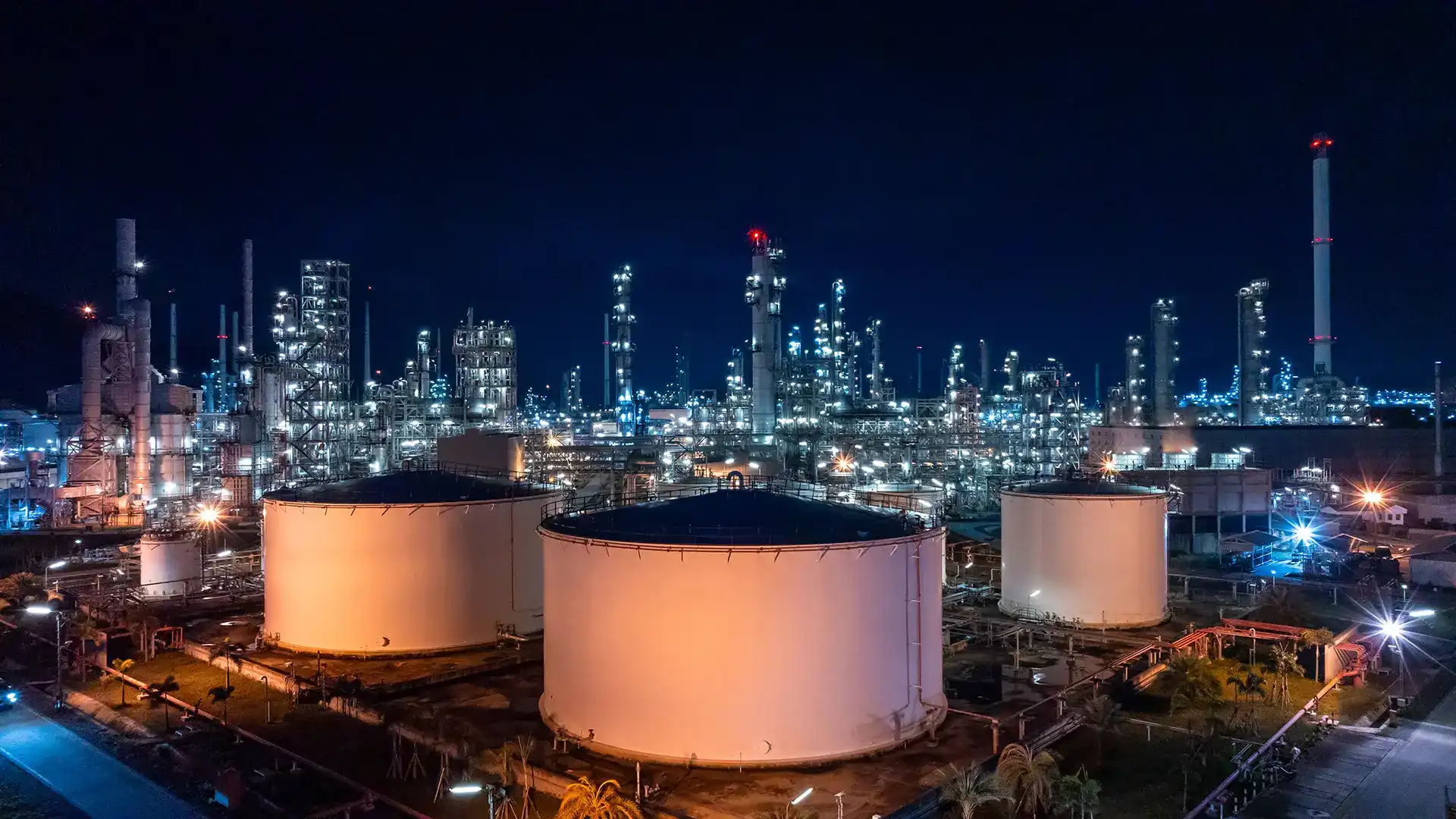
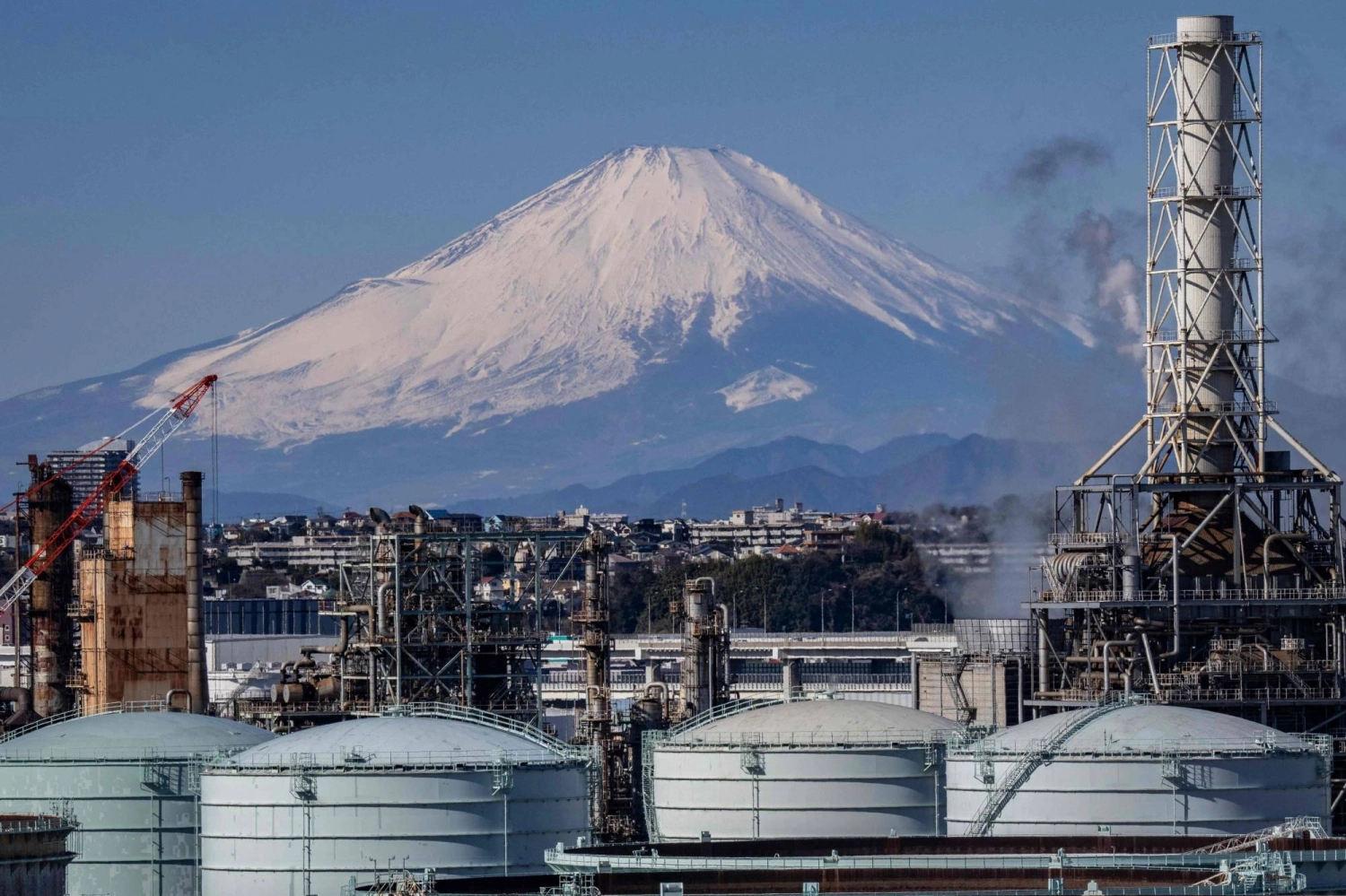
India's imposition of a Rs 21.5 per litre windfall tax on diesel exports has not merely adjusted the economics of Indian refinery sales — it has functionally suspended Indian participation in regional diesel trade. The mechanism deserves precise framing: this is not a tax on profit. It is a tax on acquisition cost that converts a marginally viable export margin into a structurally guaranteed loss. At the prevailing export margin of approximately $25-30 per metric tonne, the levy adds roughly $28 per metric tonne to the cost base before a single tonne clears Indian waters. The arithmetic is terminal.
The context driving this policy is not incidental. Middle East supply disruptions have tightened regional fuel availability precisely when India's domestic energy security calculus has shifted toward retention rather than export. The government's simultaneous move to cut domestic excise duties signals the direction of the trade-off clearly: retail stability trumps export revenue. This is a rational sovereign choice, but it carries material consequences for every counterparty who built their procurement assumptions around Indian refinery supply.
The regional implications compound quickly. Indian refiners — particularly the complex, high-conversion operators running Dubai crude — have been the marginal swing supplier for Singapore-linked gasoil benchmarks in recent quarters. Their forced exit does not occur in a vacuum. It occurs against a backdrop of Middle East logistical stress, Atlantic Basin LPG re-routing pressures, and freight markets that have not yet fully re-priced for the supply displacement that is now mathematically locked in.
LPG importers face a structurally distinct but related problem. Middle East supply disruption forces Atlantic Basin sourcing at elevated freight costs while domestic retail prices in India remain regulated, meaning the cost absorption falls on the importer's balance sheet rather than the consumer. The double squeeze — higher acquisition cost, fixed realization — is a classic margin compression trap that small and mid-tier LPG importers are structurally unable to hedge out of without relationship capital they typically do not possess.
This risk framework assesses the layered exposure across operator types, applies five intelligence lenses to surface non-obvious consequences, and delivers actionable mitigation architecture for operators currently exposed to Indian-origin diesel supply chains.
Risk Tiers
Tier 1: Direct Exposure
The operators absorbing immediate, unhedged loss are Indian mid-sized and independent refiners with active export mandates. A 50,000-tonne diesel cargo that generated approximately $1.4 million in margin pre-tax now generates approximately negative $1.4 million post-tax at identical pricing. These operators cannot pass the cost to international buyers — Singapore gasoil benchmarks do not adjust for Indian domestic tax policy. The loss is structural, not cyclical.
Counterparties who contracted Indian-origin diesel under term agreements at pre-levy pricing are the second category of Tier 1 exposure. If contracts lack explicit force majeure or regulatory change clauses covering domestic export taxation, the Indian supplier's inability to perform economically does not release the buyer from procurement obligations. The buyer must source elsewhere, typically at a premium, with no contractual recourse. Southeast Asian end-buyers, particularly those running thin inventory buffers on the assumption of continued Indian supply availability, face the sharpest acute disruption.
LPG importers operating on regulated domestic retail margins constitute the third Tier 1 category. The Atlantic Basin re-routing adds meaningful freight cost — conservatively $15-25 per metric tonne above Middle East delivered economics — to a cost base that cannot be recovered at the retail price point. These operators are bleeding on both the acquisition and logistics lines simultaneously, with no policy relief mechanism currently signalled by Indian authorities.
Tier 2: Secondary Exposure
Tier 2 captures operators one step removed from the direct supply disruption but facing real consequence from the market repricing that Indian withdrawal triggers. Singapore gasoil crack spreads are the most immediate transmission mechanism. Indian diesel previously supplied into the Singapore complex at margins that kept regional cracks suppressed. With that supply withdrawn, regional crack spreads will widen. Refiners in South Korea, Taiwan, and the Middle East who are long refinery capacity and short term sales commitments will capture this windfall — but only if they can mobilise cargo quickly enough to capture the spread before it compresses through demand-side adjustment.
Trading houses with Singapore-linked gasoil books are exposed in the opposite direction if they are short physical and long financial hedges structured around Indian supply assumptions. The basis risk between financial positions and physical sourcing alternatives is non-trivial when the marginal supplier exits. Firms running spread trades that assumed Indian-Singapore delivered economics as an anchor are now running positions whose underlying assumptions have been invalidated by regulation.
Freight owners on the Middle East-to-India LPG route face secondary exposure through demand destruction. As LPG importers absorb losses or reduce import volumes to protect balance sheets, cargo liftings decline and freight rates on that specific lane soften even as overall Atlantic Basin freight demand rises from re-routing pressure. The directional freight signals are contradictory depending on which end of the trade you own.
Tier 3: Systemic Exposure
The systemic risk layer concerns the signal this policy sends to sovereign energy trade architecture across emerging markets. India's willingness to impose an export levy that functionally terminates export economics — rather than merely moderating them — establishes a precedent for other large refining nations facing domestic supply pressure. If Middle East disruption deepens, similar policy responses from other refining sovereigns become more probable. Operators who have built regional supply chains on the assumption that refinery export decisions are governed purely by commercial logic now face a structural model risk: sovereign intervention can override commercial logic at any point, with immediate effect and no transition period.
This systemic risk is not priced into long-duration supply contracts or infrastructure investment decisions currently being made across Southeast Asia and South Asia. The discount rate applied to sovereign policy risk in these markets is demonstrably insufficient.
Risk Assessment
Assessment is structured across four criteria: probability of escalation, reversibility, operator exposure concentration, and hedgeability.
Probability of escalation: High. The windfall tax was designed as a policy instrument that can be calibrated upward without legislative change. If Middle East disruptions deepen — and current geopolitical indicators do not suggest imminent resolution — the government's domestic supply security imperative strengthens. The probability of the levy being reduced in the near term is materially lower than the probability of it being maintained or extended. Operators should plan on the current tax level persisting for a minimum of two to three quarters.
Reversibility: Moderate to low in the short term, moderate in the medium term. The levy was imposed rapidly and can theoretically be withdrawn rapidly. However, political reversibility is constrained by the domestic narrative that accompanied its imposition: the government publicly framed the tax as protecting Indian consumers from global disruption. Withdrawing it while Middle East uncertainty persists would require a messaging pivot that carries domestic political cost. Reversal is more likely to follow a normalisation of Middle East supply conditions than any commercial lobbying outcome.
Operator exposure concentration: Highly concentrated. Indian mid-tier refiners with export dependency of greater than 20% of throughput face existential margin pressure. The largest integrated operators — with domestic retail networks that benefit from the excise duty cut — are partially insulated through the domestic side of the balance sheet. The exposure is asymmetric: it falls disproportionately on operators who specialised in export-oriented refining rather than building domestic distribution infrastructure.
Hedgeability: Poor for the direct tax exposure; moderate for secondary price effects. The windfall tax itself is a regulatory instrument that no financial hedge can offset. Crack spread options and gasoil derivatives can partially hedge the price consequence of regional supply tightening, but basis risk is elevated when the supply disruption originates from policy rather than physical constraint. Counterparties who attempt to hedge Indian supply disruption using Singapore crack spread instruments will find the basis divergence meaningful and potentially costly.
Overall risk assessment: High severity, low near-term reversibility, concentrated operator exposure, limited hedgeability. This is not a price risk event. It is a structural market access event that requires operational rather than financial response.
Margin Anatomy
The headline frames this as a pricing story — a tax makes exports uneconomic. The margin anatomy tells a more precise and more actionable story. The windfall tax operates specifically on the feedstock acquisition cost component of the export margin, not on the end-market realization. This distinction matters enormously for diagnosis and response.
Before the levy, the margin anatomy for a typical Indian diesel export looked approximately as follows: feedstock acquisition cost (Dubai crude, converted) as the dominant cost line; freight from Indian west coast or east coast port to Singapore at approximately $3-5 per metric tonne on a clean products tanker; financing cost on a 30-45 day cargo cycle at moderate rates; no meaningful quality premium or discount for Indian-refined diesel into Singapore specification markets; and a destination realization anchored to Singapore gasoil benchmarks.
The windfall tax inserts itself into the feedstock acquisition cost line — it effectively raises the domestic price of diesel that would have been exported by Rs 21.5 per litre, which translates to approximately $28 per metric tonne. This single intervention transforms a marginally positive margin into a deeply negative one without any movement in freight, financing, quality, or destination realization.
The commercial implication is that no adjustment to the other margin components can rescue the economics. Operators cannot freight-optimise their way out of a $28/MT feedstock cost penalty. They cannot quality-premium their way out. The end-market realization would need to rise by approximately $28/MT — a move that would require Singapore crack spreads to widen dramatically — before export viability returns. The margin anatomy reveals that this is a one-component story masquerading as a multi-factor price event, and operators who treat it as a general market pricing shift will misdiagnose their exposure and misallocate their response resources.
Structural Constraint
The structural constraint this story largely ignores is the question of who can actually substitute for Indian diesel supply in the regional market, and on what timeline. The theoretical answer — South Korean, Taiwanese, or Middle Eastern refiners increase output and re-route cargoes to Singapore-linked buyers — is correct but operationally naive.
South Korean and Taiwanese refiners are running near-optimal utilisation rates. Incremental diesel production requires crude throughput decisions that are made 30-60 days ahead of cargo delivery, and those decisions are constrained by crude allocation agreements, refinery maintenance schedules, and product slate economics that cannot be instantly reconfigured. The physical infrastructure to substitute Indian diesel supply at the volumes India was delivering — potentially 1-2 million tonnes per month across all Indian export terminals — does not exist in a form that can be mobilised within 30 days.
Middle Eastern refinery operators face a different structural constraint: the same disruptions that triggered India's windfall tax are also affecting their feedstock reliability and operational confidence. Asking Middle East refiners to increase diesel export volumes precisely when regional logistics are under stress is asking them to perform at maximum throughput in an unstable operating environment.
For LPG specifically, the Atlantic Basin substitution faces a certification and documentation barrier that is underappreciated. Vessels certificated and commercially positioned for Middle East-India LPG trade are not immediately interchangeable with Atlantic Basin trade lanes. The logistics timeline for repositioning suitable tonnage, re-negotiating loading terms with Atlantic Basin suppliers, and completing the documentation chain for new counterparties runs to 45-90 days minimum. The operators who will be blocked are precisely those mid-tier LPG importers who lack the balance sheet to bridge that gap at higher financing costs.
Second Order Effect
The first-order effect is clear: Indian diesel exits the export market, regional supply tightens, Singapore crack spreads widen. The commercially significant intelligence is in the second and third links of the chain.
The primary market response to Indian withdrawal will be a rush by Southeast Asian buyers to secure alternative supply from whatever sources remain available. South Korean and Middle Eastern sellers will receive simultaneous inquiries from multiple buyers who previously relied on Indian supply. This demand concentration will allow those sellers to selectively allocate to preferred counterparties — meaning relationship capital, not price alone, will determine who gets supply. Buyers without established relationships with Korean or Middle Eastern trading desks will find themselves priced out or simply unable to access the market regardless of willingness to pay.
The secondary operator behaviour that follows is more interesting: trading houses with existing relationships on both sides will position themselves as the necessary intermediary between desperate buyers and rationing sellers. Margin in this trade will concentrate in the trading layer rather than in refinery or end-buyer hands. This is the second-order wealth transfer that the headline obscures entirely.
The tertiary consequence is a re-pricing of relationship infrastructure in Asian product markets. Buyers who found themselves locked out of alternative supply during this event will spend the following 12-18 months investing in bilateral relationship development with non-Indian supply sources — Korean refiners, Middle Eastern state sellers, Singaporean traders with diverse origin books. This will permanently reduce Indian exporters' market share even after the windfall tax is eventually removed, because the buyers will have diversified their supplier base as a structural risk management response.
Freight Is Profit
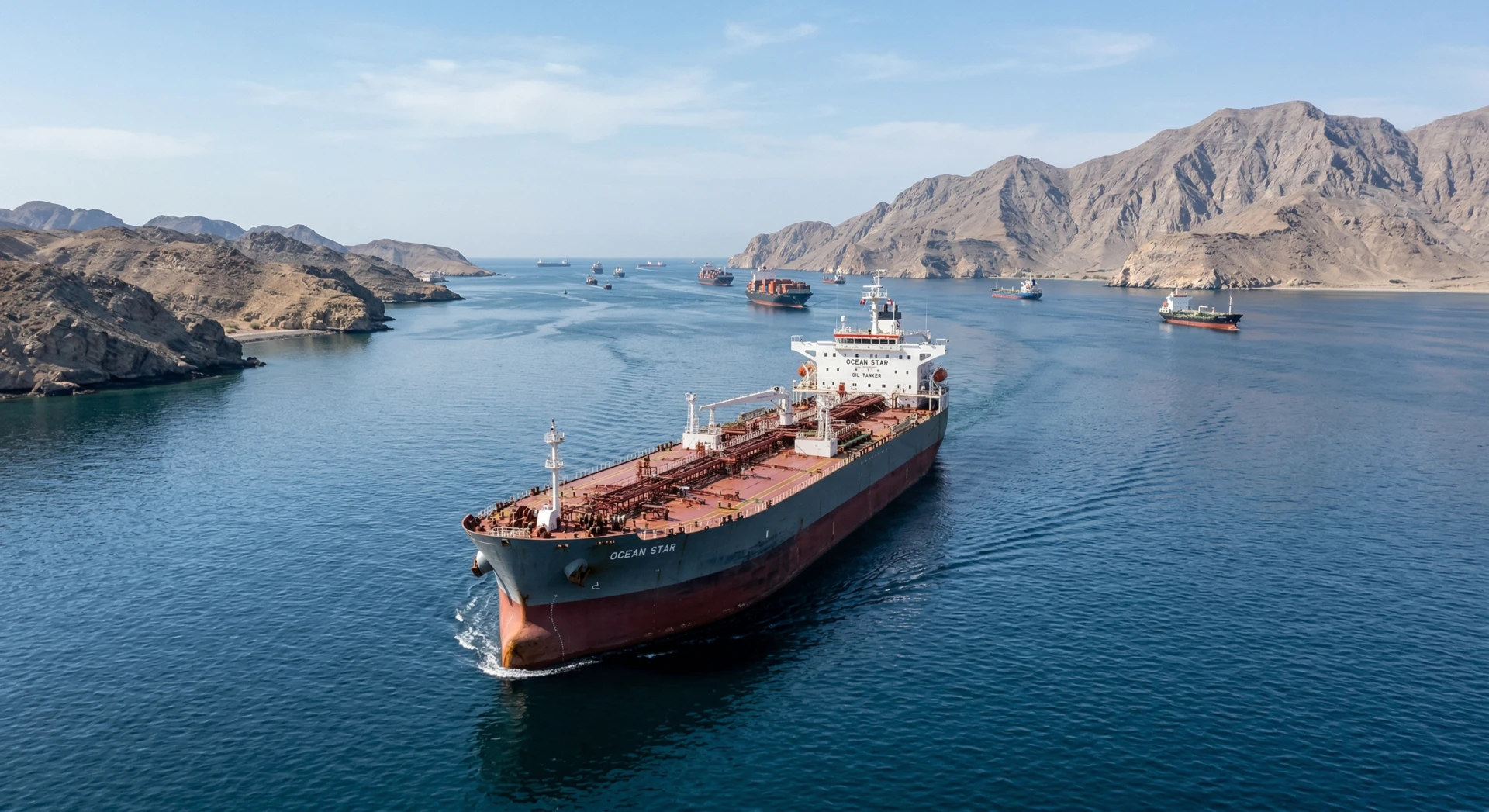
The freight dimension of this event is where a significant and underappreciated value transfer is occurring. Indian diesel exports to Singapore move on clean products tankers — primarily MR (Medium Range) tankers operating in the Indian Ocean / Southeast Asia trade lane. When Indian export volumes collapse, MR tanker demand on this specific lane falls. This is the immediate freight consequence.
However, the re-routing of LPG procurement from Middle East to Atlantic Basin creates a powerful offsetting demand signal in a completely different vessel class — VLGCs (Very Large Gas Carriers) on transatlantic and Europe-to-Asia routes. The length of the Atlantic Basin LPG voyage versus the Middle East voyage means significantly more tonne-mile demand for the same cargo volume. VLGC owners benefit materially from this re-routing even as MR tanker owners on Indian Ocean diesel routes suffer from reduced liftings.
This vessel class divergence is the freight intelligence that operators need to track. If the Baltic Exchange VLGC index is not yet reflecting anticipated Atlantic Basin LPG re-routing premium, there is a lag that represents either a market inefficiency or a signal that the volume of re-routing is smaller than feared. Either interpretation is commercially significant. Conversely, if MR rates on the Persian Gulf-Japan and Indian Ocean routes do not soften proportionally to the Indian diesel export volume decline, it suggests other trade flows are absorbing the vessel surplus — which itself indicates regional trade flow re-configuration that operators should map.
The freight margin in this event transfers from cargo owners to vessel owners on the VLGC side, while MR tanker owners absorb a demand reduction that only partially offsets the VLGC gain at the portfolio level for diversified tanker operators.
Relationship Beats Price
The relationship capital dimension of this event is most acute for LPG importers attempting the Atlantic Basin re-routing. Accessing Atlantic Basin LPG supply is not simply a matter of offering a competitive price. The major Atlantic Basin LPG exporters — US Gulf Coast terminal operators and traders, North Sea condensate-associated LPG sellers — operate through allocation systems that prioritise established counterparties. A new Indian LPG importer approaching a US Gulf Coast terminal operator for spot cargo access in the current environment will encounter several barriers that price cannot overcome.
First, credit documentation. US exporters dealing with new counterparties from South Asian markets require letters of credit structures and compliance documentation that mid-tier Indian importers often lack in a form acceptable to US banking counterparties. Establishing this documentation from scratch takes 30-60 days under ideal conditions. Second, the mandate chain in LPG trading is highly concentrated. The traders who hold allocation mandates from major Atlantic Basin producers are a small group, and their mandate relationships are typically exclusive for defined periods. A buyer without a direct relationship to a mandated trader cannot access the supply at any price — they can only access it through the mandated trader's book, which adds a margin layer. Third, established Middle East LPG suppliers who are currently disrupted will be prioritised for recovery allocation when conditions normalise. Buyers who abandoned them for Atlantic alternatives during the disruption may find their preferred Middle East allocation reduced upon recovery, because the relationship trust has been tested and found transactional.
The operators who will navigate this event successfully are those who maintained diverse supplier relationships during the period of Indian supply abundance — not those who concentrated on cheapest-source procurement.
The most underestimated risk in this event is not the diesel export margin collapse itself — that is visible and acute. It is the permanent restructuring of Indian refiners' role as regional swing suppliers. Once Southeast Asian buyers have invested 12-18 months in building alternative supply relationships in response to Indian withdrawal, they will not revert to Indian-dependency even when the windfall tax is removed. The tax may be temporary; the relationship capital destruction it causes is structural. Indian refiners who today view this as a policy disruption to weather may be underestimating that they are being displaced from the regional supply hierarchy in a way that will require years and significant commercial investment to recover. The cost of that displacement will not appear on any quarterly P&L affected by the tax — it will appear in market share data 18-36 months from now.
Mitigation by Operator
Indian Mid-Tier Refiners
The immediate operational imperative is throughput redirection. Export-oriented production volumes should be reoriented toward domestic distribution channels where the excise duty cut creates improved domestic retail economics. This is not margin-neutral — domestic realization through retail channels carries different working capital and distribution infrastructure requirements — but it is loss-avoidance relative to export at current levy rates. Refiners without domestic distribution infrastructure should prioritise negotiating supply agreements with domestic distributors at arm's length pricing that reflects the improved domestic margin environment the government has created. Simultaneously, maintain minimum viable export documentation and counterparty relationships to enable rapid re-engagement when the levy is reduced. Relationship maintenance costs less than relationship rebuilding. The worst operational outcome is a refiner who cuts all export-side commercial activity during the levy period and then discovers, when it is lifted, that their buyer relationships have been captured by Korean and Middle Eastern competitors.
Southeast Asian Diesel Buyers
Buyers previously dependent on Indian supply must act on two parallel tracks. First, immediate supply security: access alternative cargoes through whichever trader relationships are available, accepting the premium as a cost of supply security rather than a negotiating failure. Second, structural diversification: use the current disruption as mandate to formalise bilateral supply agreements with at least two non-Indian origin refiners, with volumes and pricing mechanisms that create genuine optionality rather than paper diversification. The key risk to avoid is paying spot premium now while failing to convert that emergency sourcing into a structural supply relationship. The premium is only well-spent if it purchases relationship capital alongside physical product.
LPG Importers
LPG importers facing the Atlantic Basin re-routing challenge should immediately assess their credit documentation status with international banking counterparties. The operational bottleneck is not finding a willing seller — it is completing the documentation chain fast enough to secure cargo before the most viable Atlantic Basin slots are allocated to counterparties with established relationships. Importers who lack VLGC charter relationships should approach specialist shipping brokers immediately, as VLGC availability on Atlantic-to-Asia routes will tighten as the re-routing trend becomes broadly apparent. Volume commitments that allow freight booking ahead of cargo confirmation may be commercially necessary to secure vessel access.
Trading Houses
Trading houses with diversified origin books and established relationships on both sell and buy sides are the structural beneficiaries of this event. The priority is rapid inventory positioning: build gasoil inventory at Singapore or other regional hubs where Indian supply gap creates appreciation potential, using existing credit lines and counterparty relationships to execute before the spread fully reflects the supply withdrawal. The secondary priority is capturing the intermediary role between rationing sellers and desperate buyers — margin in this role will be significant and should be formally documented to establish the trading relationship as structural rather than opportunistic. Post-event, debrief which buy-side relationships proved durable under stress and concentrate relationship investment accordingly.
PI's Assessment
India's windfall tax on diesel exports is being read by most market participants as a temporary policy intervention that will normalise when Middle East disruptions ease. This reading is partially correct and substantially incomplete. The tax will likely be adjusted when the geopolitical trigger moderates — but the commercial landscape it has restructured will not revert. Indian refiners built their export market position over years of reliable supply, competitive pricing, and logistical convenience for Southeast Asian buyers. That position is being liquidated in real time, and the buyers who are forced to develop alternative supply relationships during this period are simultaneously discovering that those alternatives are viable. The relationship capital destruction flowing from a forced exit — however temporary — is asymmetric: it takes years to build the trust that allows allocation access in concentrated commodity markets, and months to lose it when you become an unreliable supplier by regulatory fiat. PI's assessment is that Indian mid-tier refiners face not just a margin squeeze but a market position erosion that the windfall tax's eventual removal will not automatically reverse. The operators who understand this distinction will invest now in relationship maintenance on the buy side even at zero export volume, treating that investment as market position insurance rather than a cost with no current-period return. Those who treat this purely as a cash preservation exercise will find themselves negotiating re-entry into a market where their former buyers have moved on.

.jpg)
.jpg)

'%3e%3cg id='Final-Copy-2_2_' transform='translate(1275.000000, 200.000000)'%3e%3cpath class='st0' d='M7.4,12.8h6.8l3.1-11.6H7.4C4.2,1.2,1.6,3.8,1.6,7S4.2,12.8,7.4,12.8z'/%3e%3c/g%3e%3c/g%3e%3c/g%3e%3cg id='final---dec.11-2020'%3e%3cg id='_x30_208-our-toggle' transform='translate(-1275.000000, -200.000000)'%3e%3cg id='Final-Copy-2' transform='translate(1275.000000, 200.000000)'%3e%3cpath class='st1' d='M22.6,0H7.4c-3.9,0-7,3.1-7,7s3.1,7,7,7h15.2c3.9,0,7-3.1,7-7S26.4,0,22.6,0z M1.6,7c0-3.2,2.6-5.8,5.8-5.8 h9.9l-3.1,11.6H7.4C4.2,12.8,1.6,10.2,1.6,7z'/%3e%3cpath id='x' class='st2' d='M24.6,4c0.2,0.2,0.2,0.6,0,0.8l0,0L22.5,7l2.2,2.2c0.2,0.2,0.2,0.6,0,0.8c-0.2,0.2-0.6,0.2-0.8,0 l0,0l-2.2-2.2L19.5,10c-0.2,0.2-0.6,0.2-0.8,0c-0.2-0.2-0.2-0.6,0-0.8l0,0L20.8,7l-2.2-2.2c-0.2-0.2-0.2-0.6,0-0.8 c0.2-0.2,0.6-0.2,0.8,0l0,0l2.2,2.2L23.8,4C24,3.8,24.4,3.8,24.6,4z'/%3e%3cpath id='y' class='st3' d='M12.7,4.1c0.2,0.2,0.3,0.6,0.1,0.8l0,0L8.6,9.8C8.5,9.9,8.4,10,8.3,10c-0.2,0.1-0.5,0.1-0.7-0.1l0,0 L5.4,7.7c-0.2-0.2-0.2-0.6,0-0.8c0.2-0.2,0.6-0.2,0.8,0l0,0L8,8.6l3.8-4.5C12,3.9,12.4,3.9,12.7,4.1z'/%3e%3c/g%3e%3c/g%3e%3c/g%3e%3c/g%3e%3c/svg%3e) Privacy Choices
Privacy Choices