.avif)
Singapore's chemicals and biomedical processing cluster a significant share of Southeast Asian petrochemical capacity is operating under sustained feedstock pressure as of Q2 2026, compressing margins for naphtha and LPG importers delivering into Singapore terminals even as the broader economy posts headline growth of 5.7% year-on-year.
Singapore's Q2 2026 GDP number is strong by any measure: 5.7% year on year and 1.1% quarter on quarter, driven by a 12.2% manufacturing surge concentrated in electronics and precision engineering. But aggregate GDP conceals a fault line that matters specifically to petrochemical feedstock traders. Within that same manufacturing sector, the chemicals cluster contracted pulled down by Middle East feedstock disruptions linked, according to reports, to the ongoing Iran-related conflict affecting Gulf supply chains. Non-oil domestic exports (NODX exports excluding petroleum, the cleanest signal of Singapore's manufactured goods competitiveness) surged 38.4% year on year in May, extending April's 24.4% rise. That number is almost entirely an electronics and semiconductor story. For feedstock traders, the relevant signal is not the headline; it is the divergence between two sub-sectors sitting within the same production complex.
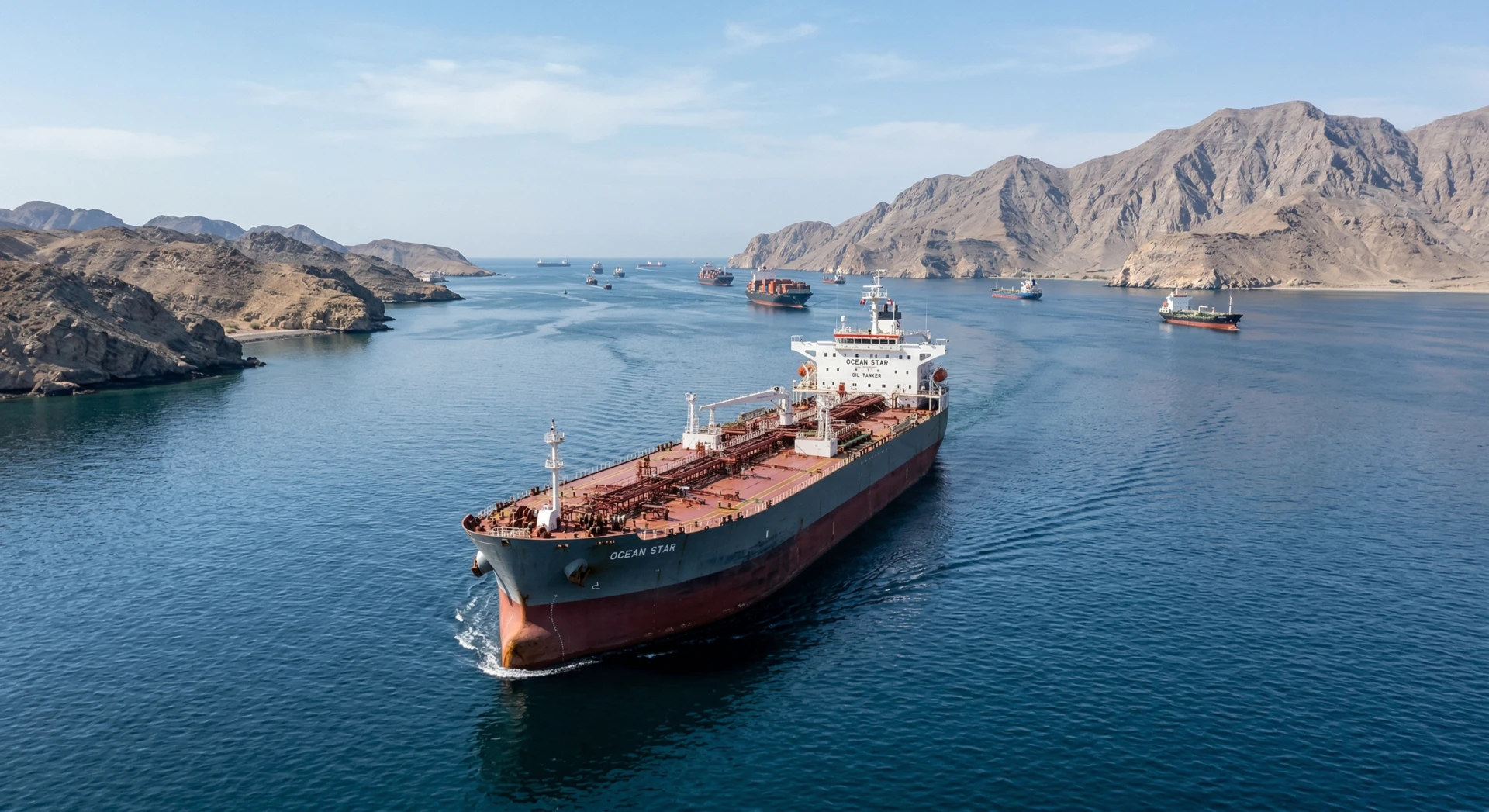
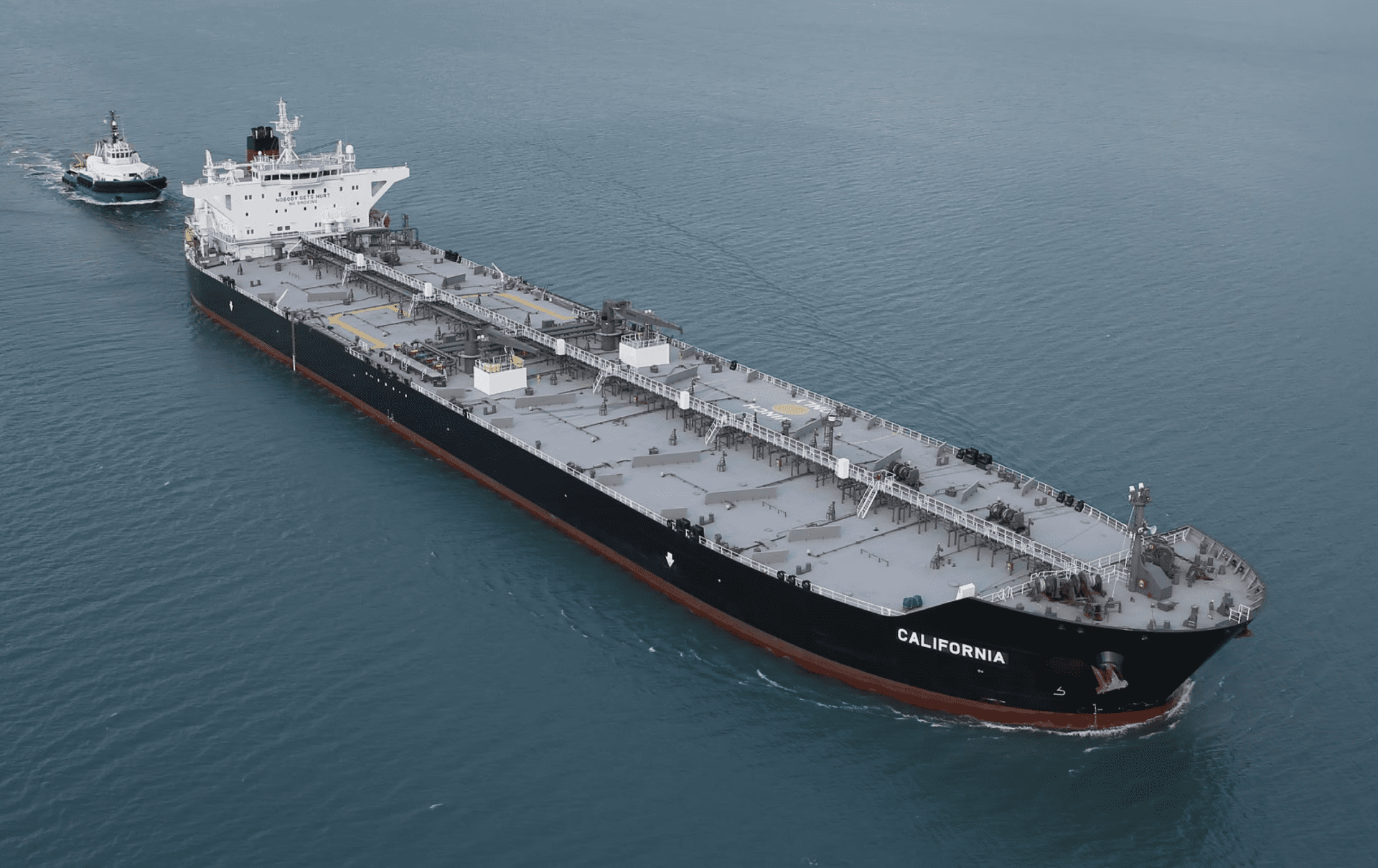
The physical mechanism is this: Singapore's chemical processors depend on naphtha a light petroleum fraction refined from crude oil and used as the primary feedstock to produce ethylene, propylene, and other petrochemical building blocks and LPG (liquefied petroleum gas, primarily propane and butane), sourced predominantly from Gulf exporters via the Strait of Hormuz. A VLCC (Very Large Crude Carrier, a supertanker capable of carrying 2 million barrels) transiting from Ras Tanura in Saudi Arabia to Singapore's Jurong Island terminal covers approximately 3,500 nautical miles, a 15–18 day voyage under normal routing. When Gulf supply chains face disruption whether from conflict related port risk, insurance surcharges, or vessel re-routing around Iranian waters that voyage lengthens and its cost rises. The Baltic Exchange's Middle East Gulf-to-Japan VLCC route (TD3C) a liquid freight benchmark that closely tracks Singapore-bound tanker economics has shown elevated volatility since Q1 2026. At $14/MT freight versus $8/MT three months prior, the additional $6/MT on a 50,000 tonne naphtha cargo adds $300,000 per shipment before the chemical processor has cracked a single molecule.
On the buy side, Singapore-based chemical processors Jurong Island operators including regional affiliates of major integrated petrochemical firms face a double squeeze: feedstock availability is constrained, and the Monetary Authority of Singapore (MAS), which manages monetary policy through the exchange rate rather than interest rates, tightened its Singapore Dollar (SGD) nominal effective exchange rate (S$NEER) band in April, citing inflation risk from the Iran conflict. MAS tightening raises working capital costs for processors holding large feedstock inventories, since financing costs move with interbank rates influenced by the currency posture. With 2026 inflation forecast at 1.5%–2.5%, the cost of carrying inventory is no longer negligible. On the sell side, Gulf naphtha and LPG exporters Saudi Aramco, ADNOC, Kuwait Petroleum face a structurally softer spot bid from Singapore even as freight costs consume more of the delivered margin. If Singapore chemical processors reduce run rates or delay spot purchases, Gulf exporters must re-route cargoes toward South Korea, Japan, or Taiwan, where refinery and cracker demand remains firmer. That re-routing is not costless: Northeast Asian terminals sit 2–4 days further from the Gulf than Singapore, and spot placement in a crowded market means price concessions.
For large integrated traders a Trafigura, Vitol, or the trading arm of a national oil company the instrument of choice is a spread position between naphtha forward contracts on the Tokyo Commodity Exchange (TOCOM) or Singapore's OTC swaps market and the TD3C VLCC freight derivative, locking in the cost of delivery against a forward sale to a Northeast Asian cracker. The naphtha crack spread the margin between crude input cost and naphtha output value is the number to watch; if it narrows below $50/MT on a delivered Singapore basis, chemical processors will cut runs, withdrawing spot demand and softening Gulf origin cargo values. For a smaller regional feedstock trader a mid-sized Singapore registered commodity house without derivatives access the practical response is to shorten cargo tenors bilaterally with Gulf suppliers, avoiding multi-month fixed-price commitments while feedstock availability remains uncertain, and to build relationships with South Korean and Taiwanese cracker buyers as alternative placement outlets. For observers, the single most time bound signal is the MTI's Q3 2026 GDP flash estimate, expected in October 2026: if the chemicals cluster registers a second consecutive quarter of contraction, structural underutilisation of Singapore's petrochemical capacity will be confirmed, and spot naphtha demand from Jurong Island will reprice lower across the forward curve.
.jpg)
.jpg)


'%3e%3cg id='Final-Copy-2_2_' transform='translate(1275.000000, 200.000000)'%3e%3cpath class='st0' d='M7.4,12.8h6.8l3.1-11.6H7.4C4.2,1.2,1.6,3.8,1.6,7S4.2,12.8,7.4,12.8z'/%3e%3c/g%3e%3c/g%3e%3c/g%3e%3cg id='final---dec.11-2020'%3e%3cg id='_x30_208-our-toggle' transform='translate(-1275.000000, -200.000000)'%3e%3cg id='Final-Copy-2' transform='translate(1275.000000, 200.000000)'%3e%3cpath class='st1' d='M22.6,0H7.4c-3.9,0-7,3.1-7,7s3.1,7,7,7h15.2c3.9,0,7-3.1,7-7S26.4,0,22.6,0z M1.6,7c0-3.2,2.6-5.8,5.8-5.8 h9.9l-3.1,11.6H7.4C4.2,12.8,1.6,10.2,1.6,7z'/%3e%3cpath id='x' class='st2' d='M24.6,4c0.2,0.2,0.2,0.6,0,0.8l0,0L22.5,7l2.2,2.2c0.2,0.2,0.2,0.6,0,0.8c-0.2,0.2-0.6,0.2-0.8,0 l0,0l-2.2-2.2L19.5,10c-0.2,0.2-0.6,0.2-0.8,0c-0.2-0.2-0.2-0.6,0-0.8l0,0L20.8,7l-2.2-2.2c-0.2-0.2-0.2-0.6,0-0.8 c0.2-0.2,0.6-0.2,0.8,0l0,0l2.2,2.2L23.8,4C24,3.8,24.4,3.8,24.6,4z'/%3e%3cpath id='y' class='st3' d='M12.7,4.1c0.2,0.2,0.3,0.6,0.1,0.8l0,0L8.6,9.8C8.5,9.9,8.4,10,8.3,10c-0.2,0.1-0.5,0.1-0.7-0.1l0,0 L5.4,7.7c-0.2-0.2-0.2-0.6,0-0.8c0.2-0.2,0.6-0.2,0.8,0l0,0L8,8.6l3.8-4.5C12,3.9,12.4,3.9,12.7,4.1z'/%3e%3c/g%3e%3c/g%3e%3c/g%3e%3c/g%3e%3c/svg%3e) Privacy Choices
Privacy Choices